
There are two kinds of vacations: the kind where you spend half your time waiting behind strangers to photograph the same waterfall, and the kind where you discover a place so good that you briefly consider lying to your friends about where you went.
The problem with finding somewhere nobody has discovered yet is that, technically, somebody has. People live there. They have restaurants, traditions, favorite beaches, and probably a strong opinion about tourists who show up expecting a tropical island to operate like a luxury hotel in Miami. What we’re really looking for are destinations that haven’t been completely swallowed by mass tourism, overpriced beach clubs, and influencers filming themselves pretending to enjoy a salad.
These ten vacation destinations offer a different proposition: extraordinary scenery, distinctive local culture, exciting places to stay, and the feeling that you’re getting ahead of the crowd. Some are remote, some are surprisingly accessible, and a few might make you wonder why you’ve spent years returning to the same crowded resorts.
Pack your passport. Leave some room on your camera roll. And please, for the love of travel, don’t tag every location in real time if you actually want to keep it quiet.
1. Príncipe, São Tomé and Príncipe: The African Island That Feels Like a Private World
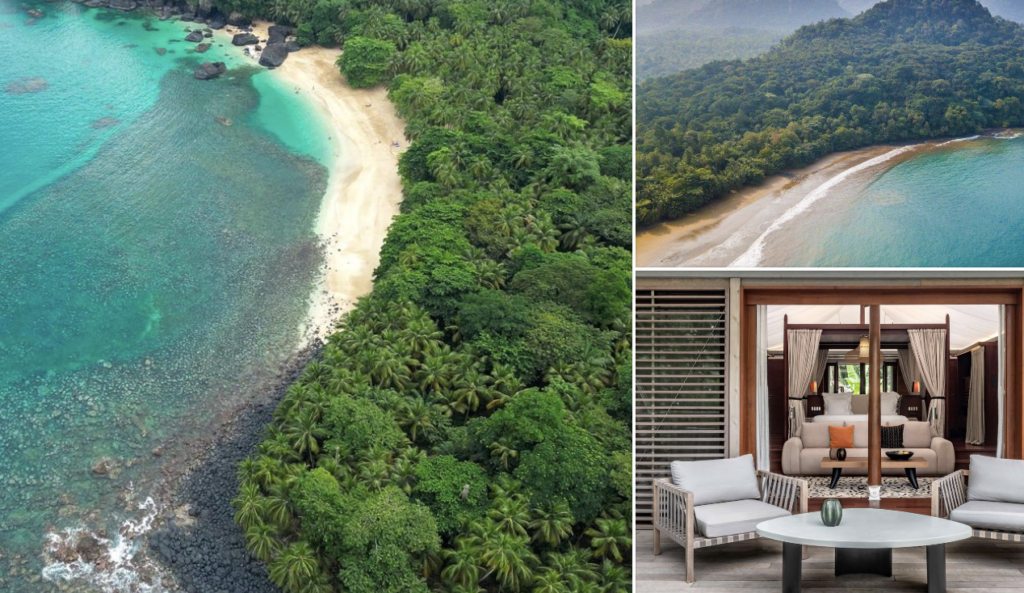
If your idea of paradise involves a jungle-covered island, empty-looking beaches, old plantation estates and boutique resorts instead of a DJ playing remixes beside a $38 cocktail, put Príncipe on your list.
This small island in the Gulf of Guinea, off Central Africa, belongs to the island nation of São Tomé and Príncipe. Think volcanic scenery, dense rainforest, dramatic coastal rock formations and beaches where the natural surroundings are the main attraction.
Príncipe also has an appealing mix of adventure and luxury. The Príncipe Collection operates properties ranging from beach retreats to plantation-style accommodations, including options for travelers who want their wilderness served with excellent design and a comfortable bed.
What to do: Explore beaches such as Praia Banana, arrange guided rainforest walks, visit historic plantation sites and spend time on the water. Don’t plan every minute; part of the attraction is having very little reason to check your phone.
Where to stay: Investigate the Príncipe Collection’s properties, including Sundy Praia and the historic Roça Sundy, and compare what’s included before booking.
When to go: The equatorial climate is warm year-round, but rainfall varies. Check seasonal conditions before committing to outdoor activities.
The catch: Getting here takes planning. International travelers generally arrive through São Tomé, and reaching Príncipe requires a separate connection. The official tourism site lists air connections between the islands, but schedules and fares need to be confirmed for your dates.
Egotastic verdict: This is for the traveler who wants a serious tropical escape and doesn’t need a nightclub within walking distance. It’s also not the place to expect a bargain simply because the destination isn’t famous.
2. Flores, Indonesia: Bali’s More Adventurous Cousin
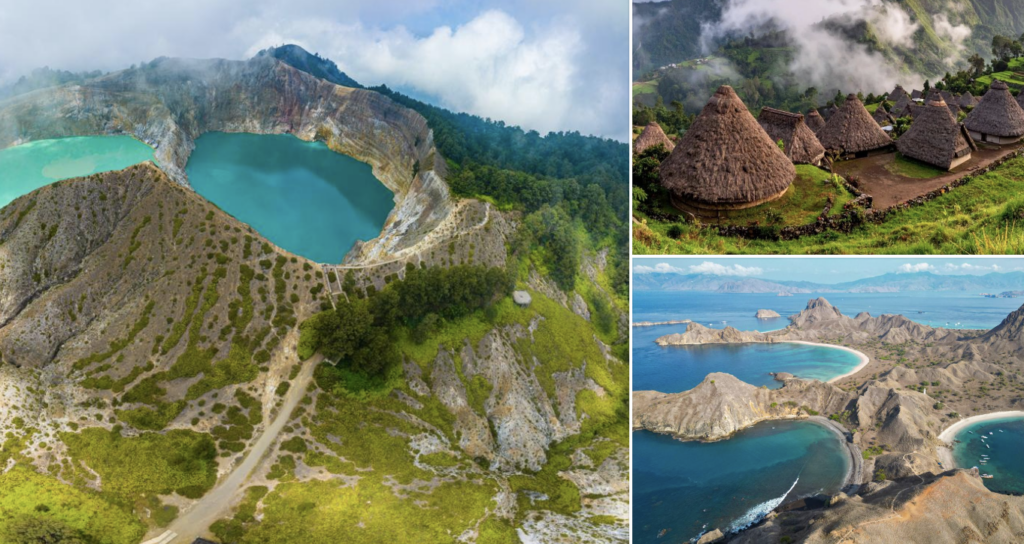
Bali has yoga retreats, beach clubs, digital nomads and enough smoothie bowls to feed a small nation. Flores has volcanic landscapes, traditional villages, spectacular diving and the sort of scenery that makes your camera work overtime.
The island sits in eastern Indonesia, and its western gateway, Labuan Bajo, is already popular with visitors heading to Komodo National Park. But Flores itself deserves more than a quick stop before boarding a boat to see the famous Komodo dragons. Indonesia’s official tourism site highlights its waterfalls, caves, mountain scenery, cultural traditions and diving opportunities.
What to do: Visit the multicolored crater lakes of Kelimutu, explore traditional villages around the island, chase waterfalls and arrange diving or snorkeling excursions. If you’re visiting Komodo, consider a multi-day boat trip rather than a rushed day tour.
Where to stay: Use Labuan Bajo as a comfortable base for the western region, then consider locally run guesthouses or smaller lodges elsewhere on Flores. Check transport connections before choosing a remote property.
When to go: The drier months are generally the easiest for outdoor adventures, although exact conditions vary across the island.
Budget: Expect a wide range. Local guesthouses can be economical, while private boats, diving packages and upscale resorts can push costs up considerably.
The catch: Flores is not a tiny island you can casually explore in a weekend. Road journeys can be slow, and the best experiences may require guides, advance reservations and a little flexibility.
Egotastic verdict: Go if you like your vacations with a side of adventure. Skip it if your entire holiday strategy consists of arriving at a resort, finding a pool lounger and refusing to move until checkout.
3. Musandam, Oman: Arabian Fjords Without the Scandinavian Weather
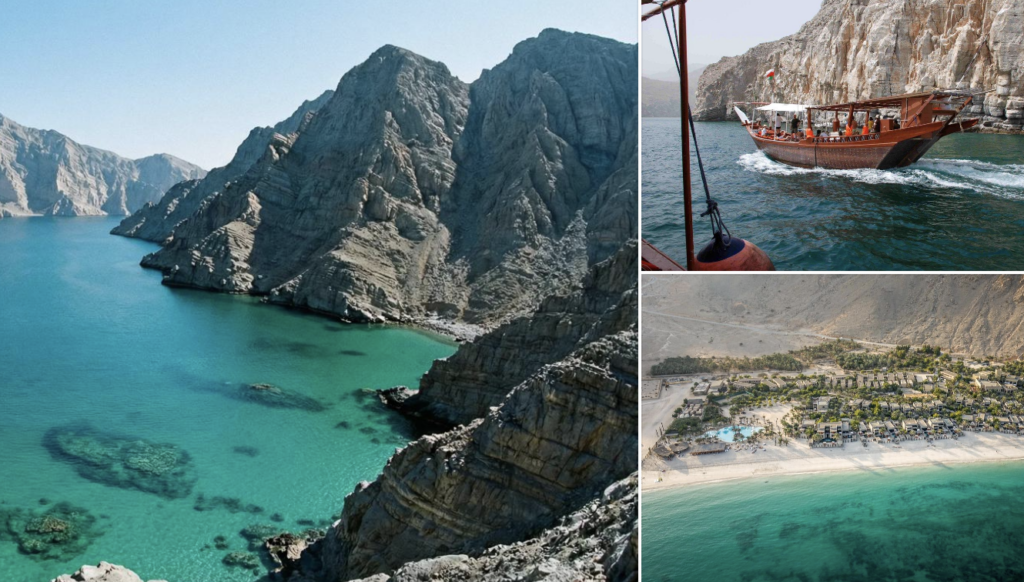
Norway gets the fjord headlines. Oman has its own dramatic version, with rugged mountains plunging toward clear blue water, secluded inlets and traditional wooden boats gliding between towering cliffs.
The Musandam Peninsula sits at the northern tip of Oman, separated from the country’s main territory by part of the United Arab Emirates. Its principal town, Khasab, is the starting point for exploring the surrounding waterways and mountain scenery.
What to do: Book a traditional dhow cruise through the fjords, go snorkeling or kayaking, explore Khasab Castle and investigate guided trips into the mountains. Telegraph Island is another well-known stop in the surrounding waters.
Where to stay: Khasab has hotels and apartments, while travelers seeking a high-end escape can investigate Six Senses Zighy Bay. The latter is a luxury splurge, not a clever way to save money on accommodation.
When to go: The cooler months, roughly October through March, are generally the most comfortable for outdoor exploration. Check current regional conditions before travel.
Budget: Moderate for a simple Khasab stay; high to very high for luxury resorts and private excursions.
The catch: Musandam is not the easiest spontaneous add-on to every Oman itinerary. You’ll need to plan transport and verify border-crossing requirements if traveling overland through the UAE. Regional security conditions also deserve a fresh check before departure.
Egotastic verdict: If you want something dramatically different from another European city break, this is an excellent contender. Mountains, warm water, boat trips and proper desert-region character make a compelling combination.
4. Pico Island, Azores: A Volcanic Island for Wine, Whales and Wild Atlantic Views
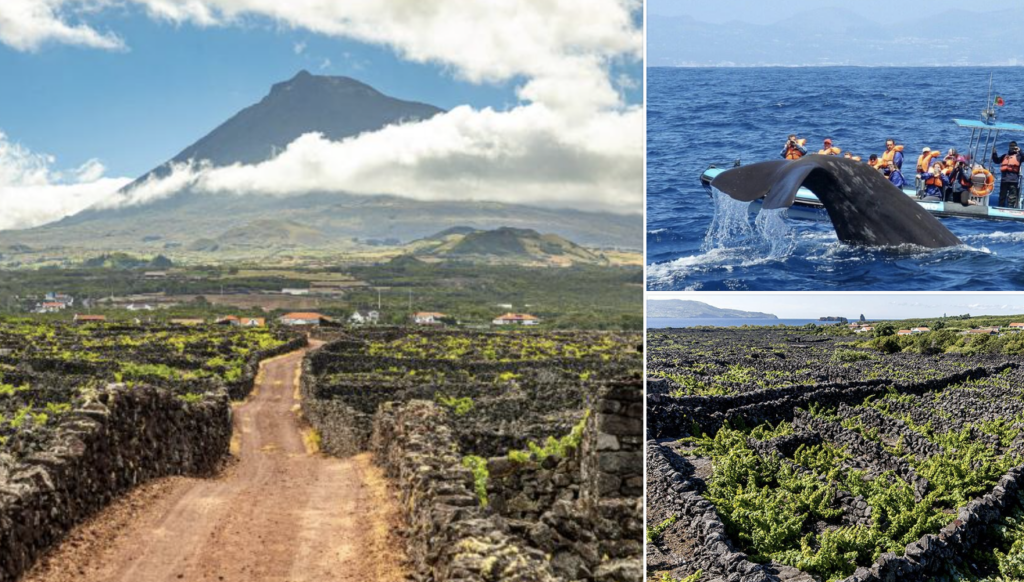
Some islands are designed for beach clubs. Pico is designed for people who appreciate a dramatic mountain, excellent wine, a rugged coastline and the pleasure of eating a long lunch without somebody trying to sell them a VIP table.
Part of Portugal’s Azores archipelago in the North Atlantic, Pico is dominated by Mount Pico, the highest mountain in Portugal at 2,351 metres. The island is also known for its distinctive vineyard landscape, where vines grow inside networks of protective stone walls.
The result is an island that feels more like a volcanic wine country than a conventional beach holiday.
What to do: Visit the vineyards around Criação Velha, taste local wines, explore coastal villages and book a whale-watching excursion with a reputable operator. Fit in a guided Mount Pico climb if you’re physically prepared and conditions permit.
Where to stay: Look for small guesthouses, rural tourism properties and design-conscious holiday rentals. Madalena is a practical base for restaurants, ferry connections and services.
When to go: Late spring through early autumn is generally attractive for hiking, boat trips and outdoor dining. Atlantic weather can change quickly, even in summer.
Budget: Moderate, with costs depending on accommodation, rental cars and activities.
The catch: This is the Atlantic, not the Caribbean. The sea can be rough, rain can arrive unexpectedly, and a beach day isn’t guaranteed. Island-hopping schedules also need attention.
Egotastic verdict: Pico is for people who want their vacation to have some personality. You’ll get scenery, food, wine and adventure without needing a velvet rope to prove you’re having a good time.
5. The Albanian Riviera: Mediterranean Glamour Before Everyone Gets the Memo
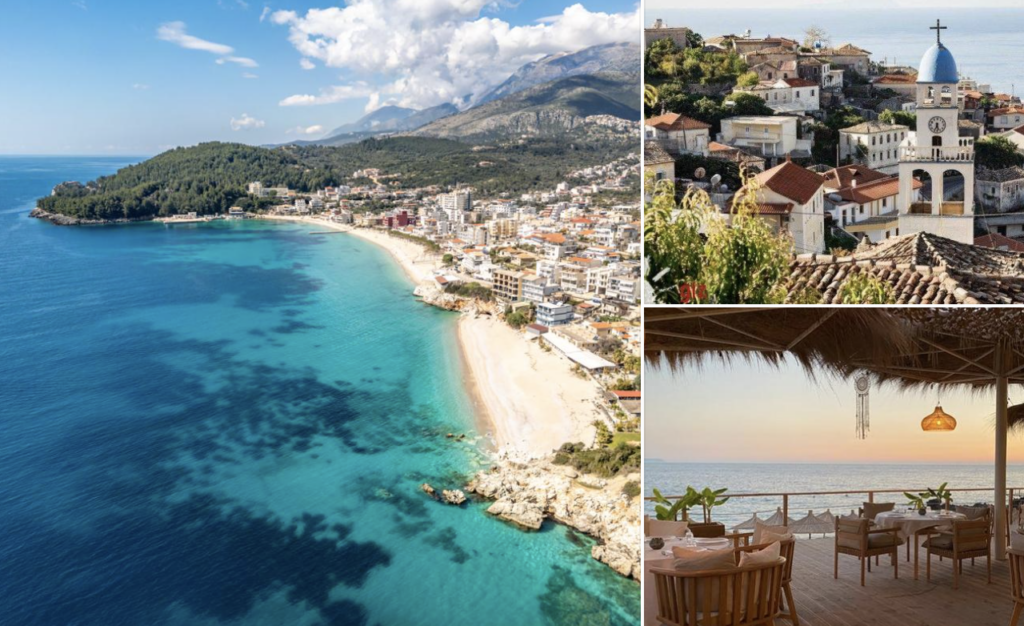
Let’s be honest: the Mediterranean is spectacular, but certain parts of it have become an elaborate financial arrangement between hotel owners, beach-club operators and people who apparently don’t mind paying luxury prices to sit beside strangers.
Southern Albania is an alternative worth investigating.
The Albanian Riviera stretches along the Ionian coast, with places such as Dhërmi and Himarë combining clear water, mountain backdrops, historic villages and restaurants serving Mediterranean food. Dhërmi’s beaches include Gjipe, a striking coastal spot reached by a walk or boat depending on your approach.
This is not an undiscovered secret anymore. Albania’s coastal destinations attract international visitors, especially in summer. The opportunity is to explore beyond the busiest beach strips and avoid the peak-season crush.
What to do: Spend a day at Gjipe Beach, wander the old streets of Dhërmi, explore Himarë and take coastal drives between villages. Leave time for long seafood lunches and a sunset drink.
Where to stay: Compare small hotels and guesthouses in Himarë with beachfront properties around Dhërmi. Your choice determines whether you get a relaxed village atmosphere or a more energetic summer scene.
When to go: May, June and September are attractive alternatives to the busiest summer period. July and August bring more heat, nightlife and crowds.
Budget: Moderate by Mediterranean standards, although popular waterfront properties can charge substantially more during peak season. Compare the total cost of flights, accommodation, transfers and meals rather than assuming Albania is automatically cheap.
The catch: Infrastructure, transport and service standards vary. A beautiful beach doesn’t guarantee easy parking, smooth roads or a perfectly organized transfer.
Egotastic verdict: Want blue water, beach bars, Mediterranean food and attractive summer crowds without automatically defaulting to the French Riviera or Mykonos? Put Albania on the shortlist.
6. Raja Ampat, Indonesia: The Ocean Is the Main Event
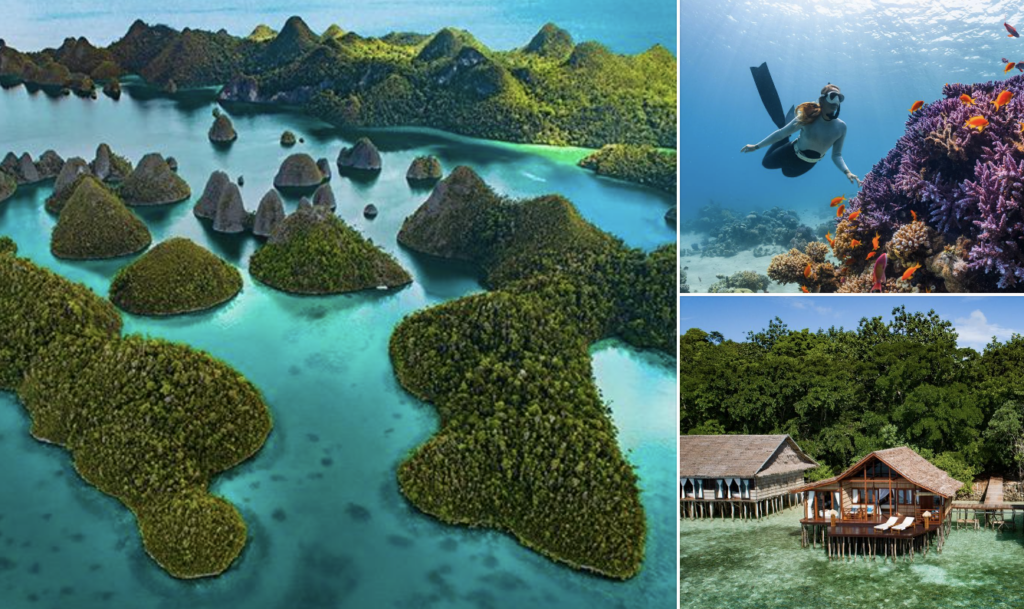
There are beach vacations, and then there are places that make you question whether the rest of the world has been doing oceans incorrectly.
Raja Ampat, in Indonesia’s Southwest Papua region, is an archipelago of limestone islands, sheltered lagoons, coral reefs and remarkably diverse marine life. It is internationally known among divers, but remains a much more specialized trip than a standard Bali holiday. Indonesia’s tourism authority highlights its island landscapes, marine biodiversity and community traditions.
The big attraction is underwater. Diving and snorkeling can reveal an extraordinary range of reef life, while boat trips between the islands deliver the scenery that ends up on everyone’s desktop wallpaper.
What to do: Book guided snorkeling or scuba excursions, visit the limestone island formations around Wayag or Piaynemo, and explore local villages respectfully. Choose operators who take marine conservation seriously.
Where to stay: Look into locally run homestays, small island resorts and dive lodges. Liveaboard boats are another option if you want several days of diving without returning to the same island each night.
How to get there: The usual route involves flying to Sorong, followed by a boat connection to Waisai and onward transport depending on your accommodation. Confirm current flights, ferry schedules and transfers before booking.
Budget: Moderate to very expensive, depending on whether you choose a local homestay, a dive package or a private boat. Transfers and excursions can add significantly to the bill.
The catch: This isn’t a destination for improvising everything after landing. Remote logistics, weather, boat schedules and limited services require planning. Divers should also check seasonal conditions and their operator’s safety standards.
Egotastic verdict: If the ocean is your happy place, Raja Ampat deserves serious consideration. If you don’t swim, snorkel, dive or particularly care about marine life, some of the price and travel time may be harder to justify.
7. Song-Kul Lake, Kyrgyzstan: Sleep in a Yurt Under a Ridiculous Sky
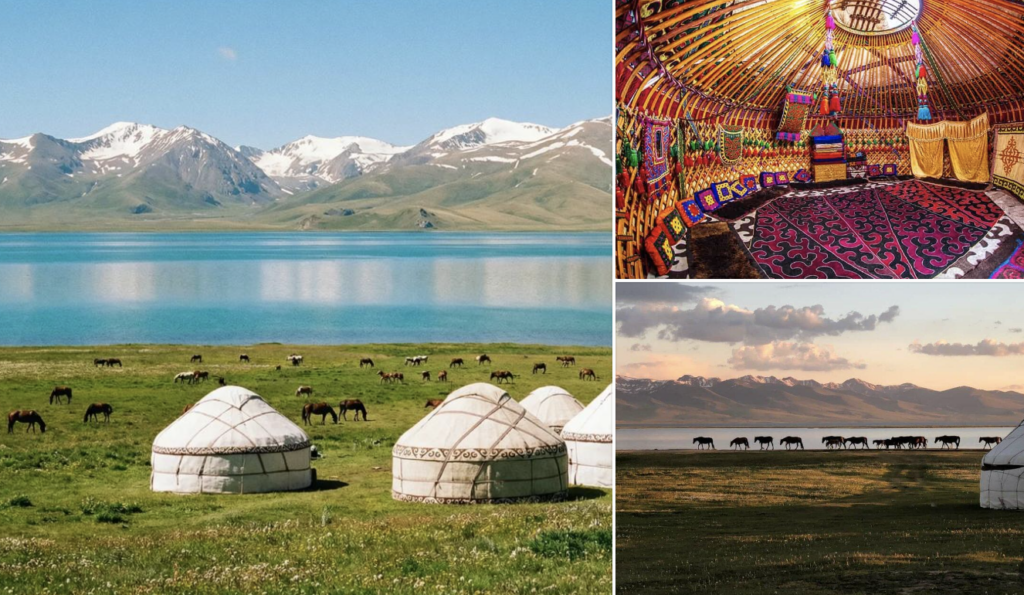
Imagine waking up beside an alpine lake, stepping outside your traditional yurt and seeing horses grazing across enormous green pastures. No traffic. No hotel elevator. No neighbor playing videos without headphones at breakfast.
Song-Kul Lake sits at approximately 3,016 metres above sea level in central Kyrgyzstan. During summer, pastoral families bring livestock to the surrounding high-altitude grasslands, and seasonal yurt camps provide accommodation for travelers.
This is the kind of trip that appeals to people who want to experience a different way of living rather than merely sleep in a different country.
What to do: Arrange a guided horseback trek, walk along the lakeshore, learn about local nomadic traditions and spend an evening watching the sky darken over the mountains. You can book multi-day experiences through local tourism networks.
Where to stay: Look for community-based yurt camps, often arranged through tourism organizations in Kochkor. Facilities differ considerably, so ask about meals, toilets, washing facilities, heating and electricity before reserving.
When to go: The main visitor season runs from June through September, with July and August generally offering the warmest conditions.
Budget: Local yurt stays can be inexpensive compared with conventional hotels, but transport, guides and multi-day excursions add to the total. For reference, a three-day horseback trip is advertised by Kyrgyz Tourism from about US$360 per person; confirm the current package, inclusions and departure requirements directly.
The catch: Altitude, cold nights, basic facilities and remote roads are part of the deal. This is not where you go for room service and a spa treatment after every excursion.
Egotastic verdict: One of the best choices on this list for travelers who want a genuinely different vacation story. You’ll come home with memories that don’t involve a wristband, a buffet or a resort pool shaped like a kidney.
8. Svaneti, Georgia: Medieval Towers and the Caucasus Mountains
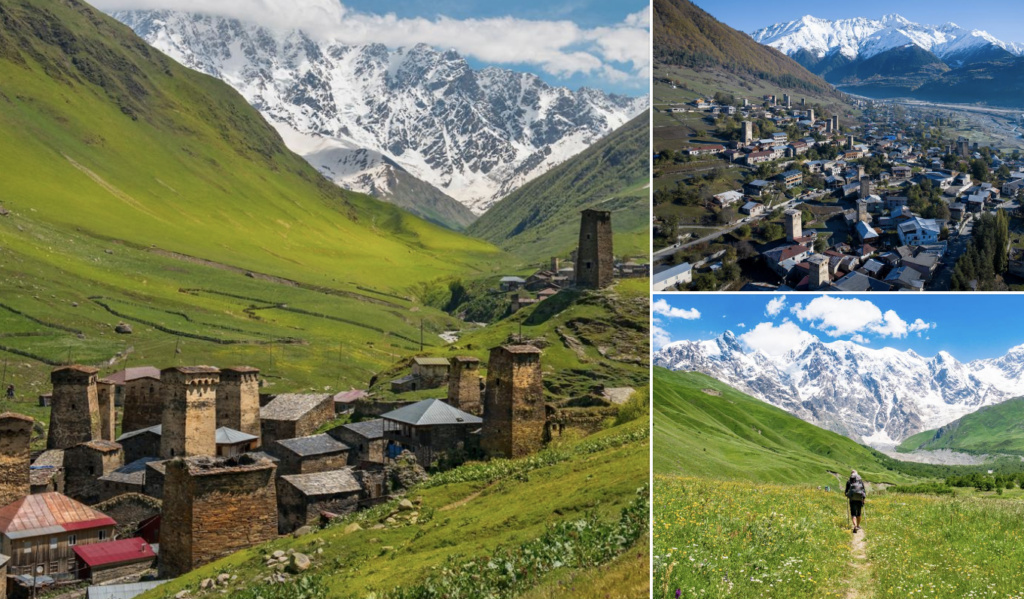
Georgia’s capital, Tbilisi, has developed a strong following among travelers interested in food, wine and nightlife. But head northwest into the Caucasus Mountains and the atmosphere changes dramatically.
Svaneti is a mountainous region known for traditional stone defensive towers, remote villages and high-altitude hiking. Mestia is the main base for visitors, while Ushguli is a memorable cluster of historic settlements surrounded by towering peaks.
It’s the sort of place where the landscape is so imposing that your expensive hiking jacket finally gets to justify its existence.
What to do: Explore Mestia’s historic architecture, visit the Svaneti Museum of History and Ethnography, hike local trails and arrange a guided trip toward Ushguli. Multi-day trekking routes are available for experienced hikers.
Where to stay: Choose a guesthouse in Mestia for the widest selection of services, or look at family-run accommodation in smaller villages if you’re prepared for simpler facilities.
When to go: September can offer a particularly appealing balance of hiking conditions and reduced peak-season crowds. July and August are popular for trekking; winter brings a different experience for skiers and snow enthusiasts.
Budget: Often moderate, with guesthouses and local meals offering value compared with many Western European mountain destinations. Guides, transfers and specialized outdoor equipment add to the cost.
The catch: Mountain weather and road conditions can change rapidly. The road from Mestia to Ushguli requires appropriate transport, and the local tourism information centre provides updates on routes and trail conditions.
Egotastic verdict: Go for the mountains, the architecture and the food. This is an excellent choice for travelers who want adventure without making the entire trip a punishing expedition.
9. The Banana Islands, Sierra Leone: Tropical Beaches With a Different Story
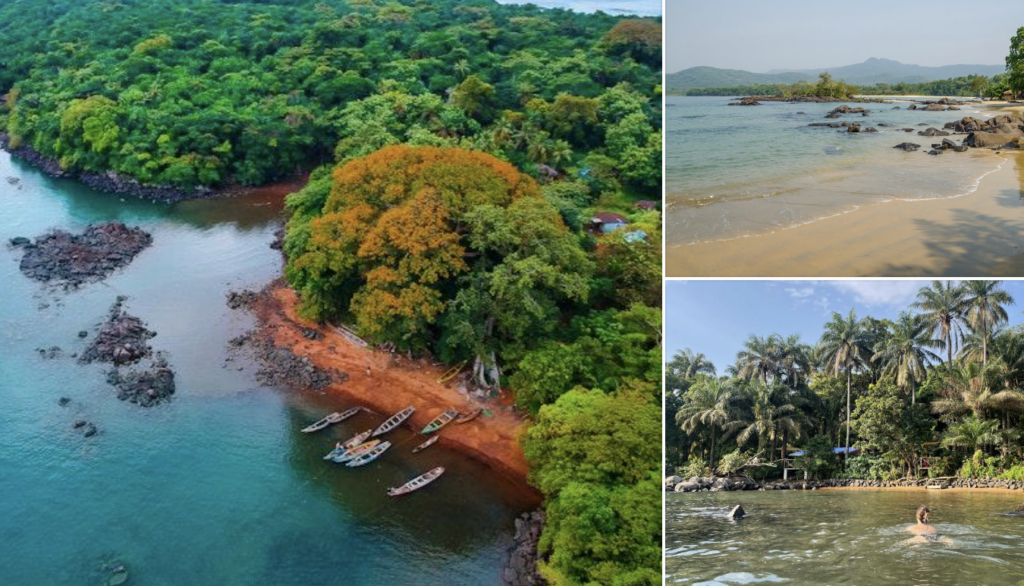
Here’s a destination that probably wasn’t the first place you considered when planning a beach vacation. That’s precisely why it’s interesting.
The Banana Islands lie off the coast of Sierra Leone, southwest of the Freetown Peninsula. The small island group includes Dublin and Ricketts, which are connected by a stone causeway, and the uninhabited island of Mes-Meheux. Dublin is known for its beaches, while Ricketts has forested landscapes.
This isn’t a polished Caribbean resort destination transplanted to West Africa. It’s a place to explore coastal communities, enjoy the ocean, learn about local history and experience a side of the region that many international holidaymakers overlook.
What to do: Arrange a boat trip, explore the islands, swim where local conditions permit, and investigate guided historical excursions. If you have additional time, Sierra Leone’s Freetown area has beaches and cultural sites worth considering.
Where to stay: Research locally operated guesthouses and small island accommodations, confirming transport and meal arrangements directly. Don’t assume you’ll have a large choice of restaurants or shops once you arrive.
When to go: The drier part of the year, generally November through April, is worth investigating for beach-focused travel. Tropical weather and sea conditions still matter.
Budget: Potentially moderate for local accommodation, but international flights, transfers and boat transport can make the overall trip more expensive than expected.
The catch: Logistics need more attention than they would on a conventional package holiday. Confirm accommodation, transfers, health precautions, entry requirements and the availability of reliable transport before departure.
Egotastic verdict: For the adventurous traveler, the Banana Islands offer a compelling combination of beaches, history and local character. Go with curiosity and flexibility, not the expectation that every convenience will be waiting at the end of the dock.
10. Tiwai Island, Sierra Leone: A Rainforest Adventure Most Beach Tourists Will Never Consider
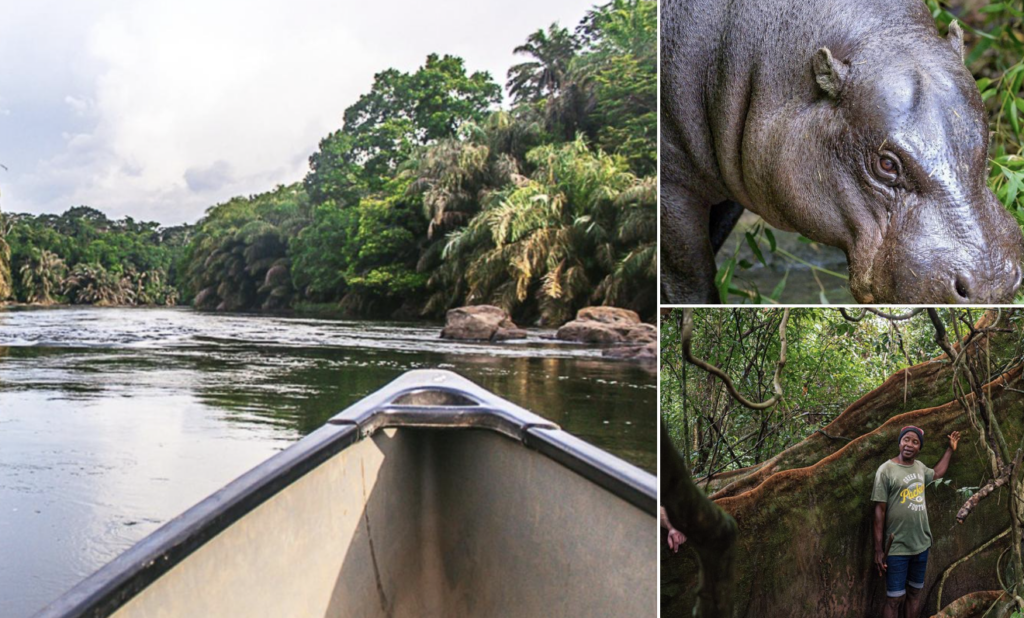
Our final destination is for people who occasionally look at a conventional vacation and think, What if I went somewhere genuinely different instead?
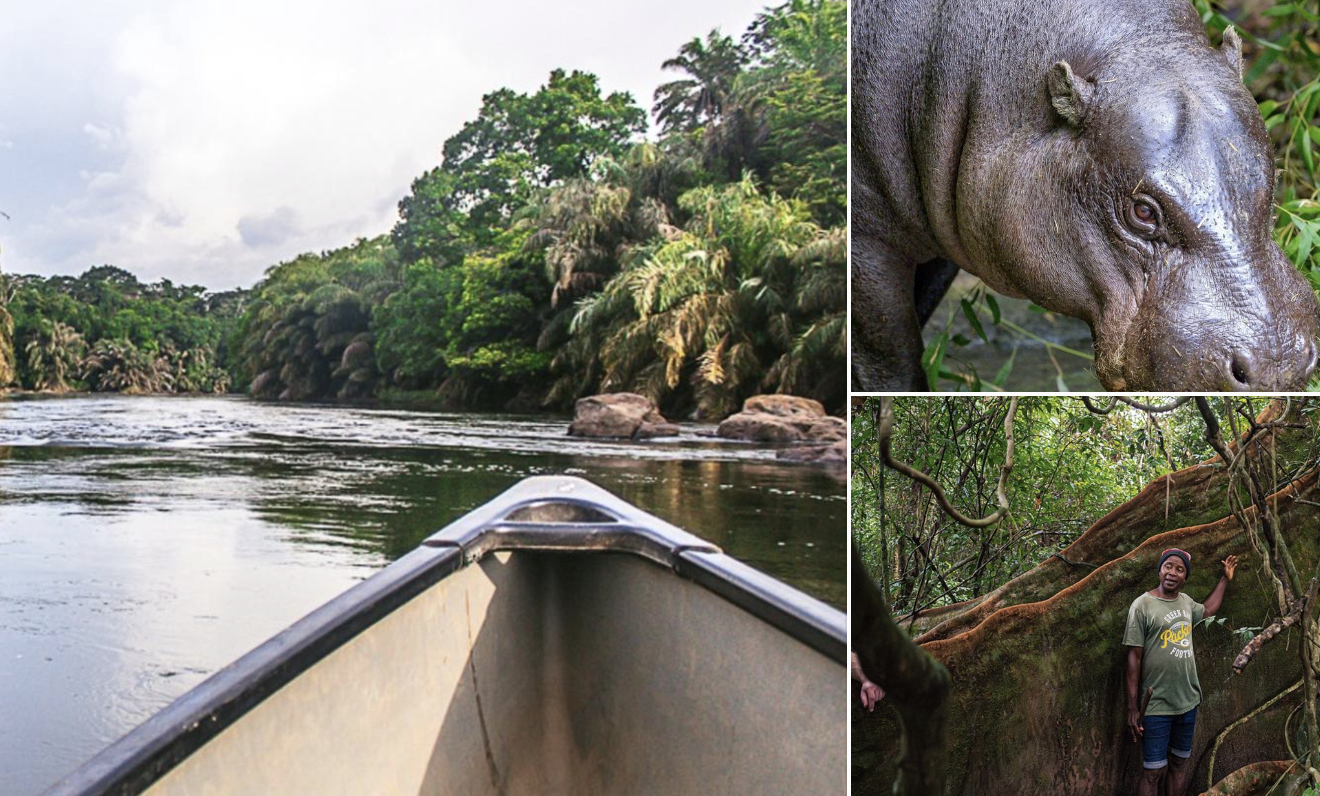
Tiwai Island is a wildlife sanctuary in southeastern Sierra Leone, surrounded by the Moa River and part of the Upper Guinea forest ecosystem. It’s known for its primates, birdlife and pygmy hippopotamuses, with community-led ecotourism helping support conservation and nearby communities.
This is not a destination for lying beside an infinity pool and asking a waiter to bring another espresso martini. It’s about guided forest walks, river journeys, wildlife observation and getting a closer look at an ecosystem that is very different from the landscapes most vacationers experience.
What to do: Arrange a guided rainforest walk, take a boat trip, learn about the island’s wildlife and visit nearby communities through responsible local operators. Wildlife sightings are never guaranteed, so enjoy the experience rather than treating a pygmy hippopotamus like a scheduled appointment.
Where to stay: The island’s ecotourism camp is the obvious starting point. Check the official Tiwai Island visitor information for current accommodation, activities and booking arrangements.
When to go: The drier months are generally more practical for forest walks and river activities, but ask the operators about current trail and river conditions.
Budget: Obtain a current package quote covering accommodation, meals, guides and transport. Getting to the region and arranging transfers can account for a substantial part of the total trip cost.
The catch: This is a remote ecotourism experience with relatively basic facilities. You’ll need to plan around transport, local conditions and wildlife conservation guidelines.
Egotastic verdict: Tiwai isn’t for everybody, and that’s part of the appeal. If your favorite vacation memories involve wildlife, landscapes and discovering a place beyond the usual tourist circuit, it deserves a closer look.
How to Choose Your Next Underrated Vacation Destination
Not every destination on this list suits the same traveler. Before opening Google Flights and enthusiastically creating a 14-stop itinerary that would exhaust a professional tour guide, narrow the options by what you actually want from the trip.
| If you want… | Start with… |
|---|---|
| Luxury, tropical beaches and privacy | Príncipe |
| Adventure, volcanoes and diving | Flores, Indonesia |
| Warm-water boat trips and dramatic mountains | Musandam, Oman |
| Wine, hiking and Atlantic island scenery | Pico, Azores |
| Mediterranean beaches and nightlife | Albanian Riviera |
| Exceptional snorkeling and scuba diving | Raja Ampat |
| Nomadic culture and mountain landscapes | Song-Kul Lake |
| Hiking, historic villages and mountain scenery | Svaneti, Georgia |
| An unusual beach and cultural escape | Banana Islands |
| Wildlife and rainforest exploration | Tiwai Island |
A few smart booking rules
- Compare the whole trip, not just the hotel. Remote destinations can have affordable accommodation but expensive flights, transfers and excursions.
- Build in a buffer. When flights, ferries and small regional aircraft are involved, an itinerary with no flexibility can become an expensive exercise in frustration.
- Book locally where appropriate. Reputable local guides and community-run accommodation can make the experience better while directing money toward the people who live there.
- Check entry requirements before buying nonrefundable tickets. Visa rules, health requirements and transit restrictions depend on your passport and itinerary.
- Protect the trip. Compare travel insurance policies for medical evacuation, cancellations and activities such as diving or trekking, particularly when visiting remote regions.
For flights, start by comparing dates and routes on Google Flights. For accommodation, compare the total price and cancellation terms across booking platforms and direct hotel websites. For remote islands, confirm transfers with the property before paying for a room you might struggle to reach.
EGOTASTIC QUICK TAKE
Best luxury escape: Príncipe, São Tomé and Príncipe.
Best adventure: Flores, Indonesia.
Best beach-and-nightlife combination: Albania’s Ionian coast.
Best for divers: Raja Ampat.
Best unusual cultural experience: Song-Kul Lake, Kyrgyzstan.
Best mountain getaway: Svaneti, Georgia.
Best for wildlife lovers: Tiwai Island, Sierra Leone.
Best overall strategy: Travel outside the busiest months, stay longer than a weekend and look beyond the most famous town or resort.
Budget: From relatively affordable local guesthouses to high-end private resorts. Flights and ground transport will often determine the real cost.
Worth it? Absolutely, provided you choose a destination that matches your travel style and plan around its limitations.
The best vacation isn’t necessarily the one nobody has heard of. It’s the one that feels right for you before the crowds, the prices and the social-media hype tell you what you’re supposed to think.
There are still places where the landscape is the entertainment, dinner doesn’t require a reservation three months in advance, and your best photograph doesn’t need a famous landmark in the background.
Pick one. Book the trip. And maybe keep the location to yourself for a little while.
Leave a Reply